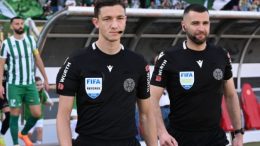
On the eve of the introduction of Football Video Support (FVS) marking a defining moment for Maltese football this article shall try to explain what to expect from this innovative system. For the first time, the Malta Premier League will adopt a video review system to assist referees in correcting clear and obvious errors.
The system is set to be implemented across selected stadiums in the YoHealth 360 Malta Premier League and in futsal competitions, with technical installation and match official training now underway.
Who better to explain Football Video Support in detail than FIFA Referees Committee Chairman Pierluigi Collina?
— FIFA (@FIFAcom) May 17, 2024
Here’s everything you need to know. pic.twitter.com/gmMug5M8sO
How Football Video Support works
FVS is part of the FIFA Football Innovation Programme and has been designed as a lighter, more accessible alternative to the full Video Assistant Referee system used in major European leagues. This allows competitions with smaller broadcast infrastructures to still benefit from video-assisted decision-making.
Introducing: Football Video Support 🎥
— FIFA (@FIFAcom) May 17, 2024
At the 74th FIFA Congress in Bangkok, FIFA Referees Committee Chairman Pierluigi Collina spoke about the success of trialling Football Video Support at the recent Blue Stars/FIFA Youth Cup™.
Find out how the system works: pic.twitter.com/rQoV5TktTY
Unlike full VAR, FVS focuses only on game-changing incidents, specifically:
- Goal situations, including potential offside involvement
- Penalty decisions
- Direct red card incidents
- Cases of mistaken identity
Coaches are granted two review requests per match.
If the referee changes the decision after video review, the team keeps the request.
If the decision stands, the request is lost.
The goal is to preserve referee authority while allowing correction of clear and obvious mistakes.
System Setup and Camera Use
Goal Sport Technology’s model for Malta uses up to eight broadcast cameras, compared with the twenty or more used at the highest VAR levels. Footage is fed to the referee through the designated video support station, rather than a central officiating headquarters. The system therefore requires less staffing, fewer resources and lower operational cost, making it manageable for Malta’s stadium infrastructure and scheduling.

Impact on key match moments
The introduction of FVS has the potential to significantly influence the flow and fairness of games, especially in decisive match moments:
- Late penalty calls that could determine the result
- Tight offside decisions are affecting goal scoring
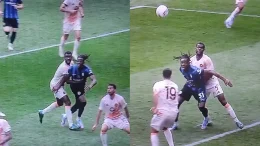
- Heavy tackles where red card decisions require verification
- Momentum shifts in derby matches or title-deciding fixtures
In the Maltese context, where emotional reaction to refereeing decisions is often strong, FVS may serve as a stabilising mechanism. The possibility of requesting a review could help calm players, coaches and supporters in high-pressure situations.
A cultural shift in refereeing
Referees will now gain an additional support tool, but this also introduces a new level of accountability. Video can confirm or contradict the referee’s initial decision, meaning communication, clarity and confidence will be essential skills. This is likely to encourage more measured and consistent officiating.
Limitations and realistic expectations
Despite the progress, FVS will not eliminate controversy.
- The system relies on existing broadcast angles, which may not always show incidents perfectly
- Human interpretation remains central to final decisions
- Some decisions in football will always remain subjective
- Review requests may be used strategically, leading to debate rather than resolution
As highlighted in recent analysis, while FVS improves fairness, it is unlikely to end controversy in the Malta Premier League. Passion, rivalry and differing interpretations of key moments are part of the identity of the sport and will continue to shape the narrative of Maltese football.
Football Video Support represents an important technical and cultural evolution for Maltese football. It introduces structured review, aims to reduce major errors and enhances the credibility of match outcomes. However, it will not remove debate from the game. Instead, it may simply shift the conversation from whether the referee saw something to how the referee interpreted it.
In short: progress, yes. Perfection, no. And the arguments, emotion and drama that make the Premier League compelling will remain at the heart of it.