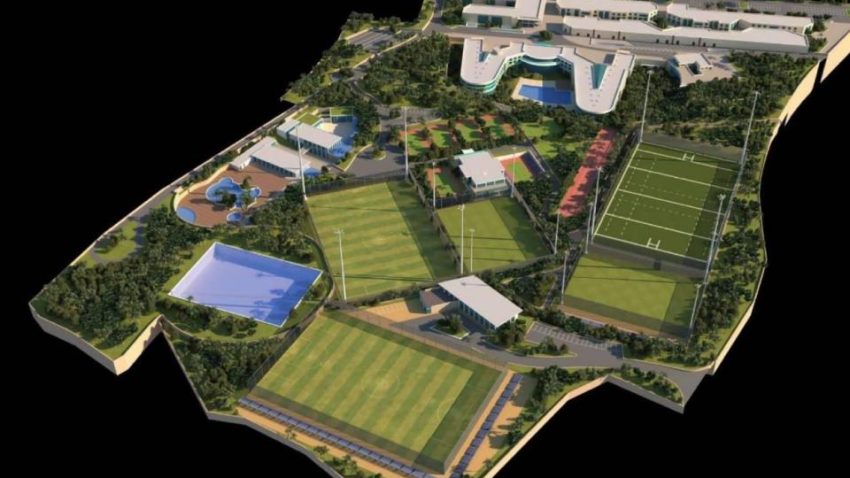
Plans for a massive multi-sport village on the outskirts of Ta’ Qali have been withdrawn, following widespread public opposition and concerns raised by the Planning Authority (PA) and environmental bodies.
The proposed development, covering 207,000 square metres and partially situated on the site of the former Flower Power garden centre, included ambitious facilities such as football and rugby pitches, a tennis club, a rehabilitation clinic, and a dedicated “sports hotel.” However, the proposal was dealt a critical blow after being recommended for refusal by the PA case officer.
The officer noted that the applicant, Michael Spiteri, had failed to provide essential documentation, including details required by the Environment and Resources Authority (ERA) to assess the environmental impact of the project. In addition, no information was submitted for a required traffic impact study, despite the development’s significant scale.
A portion of the project was also earmarked for development on land currently outside the development zone, further complicating the proposal’s compliance with planning policies.
During a PA hearing, project architect Edwin Mintoff appealed to the board for a short extension to submit the outstanding reports, emphasizing that the project aligned with the Ta’ Qali Action Plan, which provides for potential sports-related development in the area.
“We believe this is an important project that will bring overseas investment. I’ve been working on it for 21 years,” Mintoff told the board.
However, PA board chairperson dismissed the request, stating that 21 years should have been sufficient time to prepare and submit the necessary documentation. After it became clear that the board was unlikely to grant an extension, the architect withdrew the application before a vote could be taken.
The project faced strong opposition from several quarters, including NGO Moviment Graffitti, the local councils of Mosta and Attard, and over 430 public objections.
Speaking at the hearing, Anne Bonello from Nature Trust Malta highlighted existing infrastructure problems in the area, particularly traffic congestion caused by a nearby supermarket and frequent flooding along Triq Durumblat during heavy rains. She warned that further development of arable land would likely intensify these issues.
Bonello also raised concerns about noise and light pollution, and the threat to local biodiversity, arguing that the project would do more harm than good in an already pressured rural zone.
With the plans now shelved, the future of the site remains uncertain. However, the withdrawal marks a significant moment in the ongoing debate around large-scale development in ODZ (Outside Development Zone) areas and the need for sustainable land use in Malta.