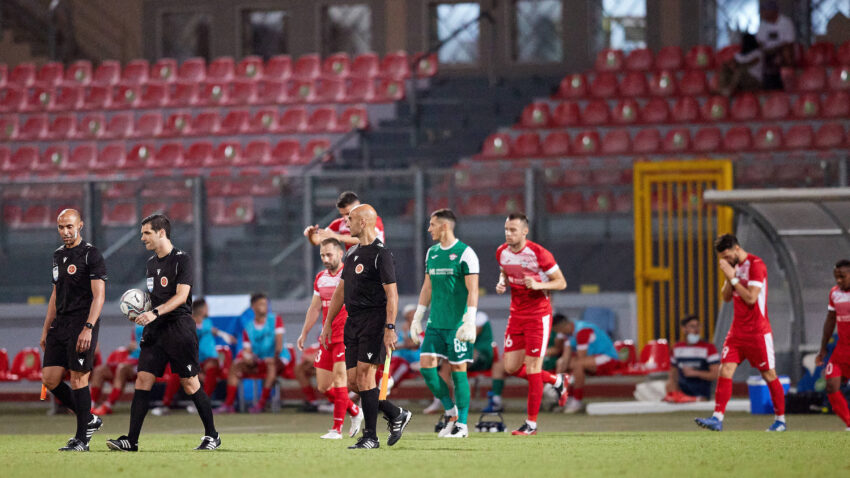
Over the past five years, Maltese football referees have experienced structured increases in their match fees, starting at €200 per match in 2019 and rising by €20 each year to reach €300 per match in the most recent season. According to the last agreement, which is in possession of this website and was signed by the former President of the Malta Football Association (MFA), Norman Darmanin Demajo, referees were also compensated with an additional €2000 per season. This pay increment was part of a collective agreement / MoU with the MFA, which expired last July. The fees for assistant referees are at the moment capped at the rate of 60% of the referee fee so an Assistant referee bags the sum of €180 per match.
Currently, talks between the Malta Football Referees Association (MFRA) and the MFA have yet to start to renew this agreement, and sources within the refereeing community have shared their worries as discussions regarding this agreement have not yet begun. The expiration of their previous collective agreement has left referees facing uncertainty about their future pay and working conditions. Despite the pressing need for action, reports indicate that the MFRA has yet to convene a meeting with its members to discuss strategy or expectations for new fees proposals.
Complicating the situation further, the Maltese Government has introduced the Income from Sports Activities Rules, 2024, detailed in Legal Notice No. 147 of 2024 and published in the Official Gazette on 12 July 2024. These rules implement a flat tax rate of 7.5% on the gross income from sports-related employment, starting from the 2025 assessment year. This legislative change is set to impact the net income of sports professionals, including football referees.
The new tax rate provides referees with clarity regarding their tax obligations but also underscores the necessity for a renewed and equitable wage agreement with the MFA. Although the flat rate is relatively modest compared to other professions, it recognises the unique contributions made by sports professionals to Malta’s cultural and social scenes. However, without a robust wage agreement, the potential benefits of this tax regulation might not fully reach the referees.
Sources within the refereeing community, who have expressed a desire to remain anonymous, have shared their concerns. A senior official emphasised the importance of timely and transparent negotiations, stating, “It’s essential for the MFRA to act promptly to secure an agreement that recognises our professional commitment and the changing financial landscape.”
With the MFRA and MFA yet to resume discussions, the future remains uncertain for Malta’s referees. Resolving this deadlock will require proactive dialogue and a readiness to adapt to the new economic conditions resulting from the tax changes.
The outcomes of these negotiations will not only determine the financial health of the referees but also set a precedent for valuing and compensating sports professionals in Malta. It is hoped that both sides can reach a favourable agreement soon, ensuring that the game’s integrity is maintained and that referees are fairly compensated for their vital role in football.