Alan Grima re-elected to European handball court
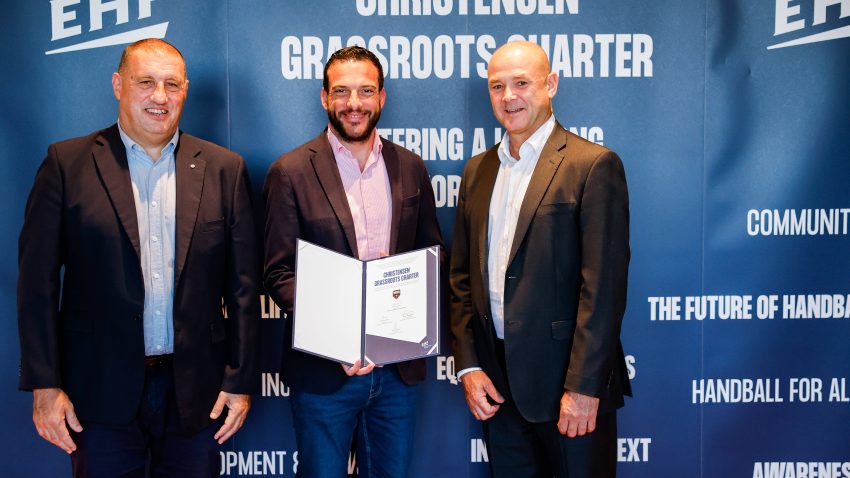
The Malta Handball Association (MHA) has officially signed the Christensen Grassroots Charter, an important initiative by the European Handball Federation (EHF) aimed at developing grassroots handball across Europe.
By being among the first federations to sign the Charter, Malta is showing a strong commitment to sustainability, inclusion, and youth development in handball.
EHF Secretary General Martin Hausleitner spoke about the importance of this step, saying that grassroots handball is not just an initiative but a key strategy for the future of the sport and local communities. He highlighted the need for an inclusive environment where everyone can enjoy handball, regardless of age, gender, background, or ability. Grassroots handball plays a vital role by encouraging people to stay involved in the sport as players, fans, volunteers, or supporters.
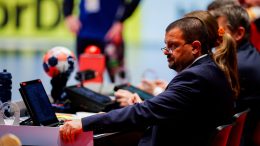
The signing took place in Andau, Austria, just before the start of the 17th Ordinary EHF Congress, with MHA President Daniel Tabone representing Malta.
Daniel Tabone said: “By signing the Christensen Grassroots Charter, we are confirming our commitment to inclusion and lifelong participation in handball. It also supports the work we’ve already started through our Master Plan. Grassroots handball is the heart of our sport, and this Charter gives us the tools and recognition to keep inspiring young players, coaches, referees, and administrators in Malta.”
The Christensen Grassroots Charter is named after Morten Stig Christensen and helps national handball federations create lifelong opportunities for people to take part in the sport. It focuses on making handball accessible and enjoyable for everyone and gives guidance in areas such as coaching, refereeing, education, competitions, and local involvement.
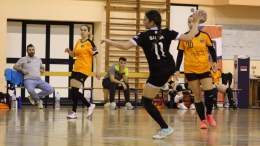
Malta’s decision to sign the Charter comes at a time when handball is growing in the country, thanks to the MHA’s Master Plan. One of the successful projects is the Mini-Handball Project, which has reached over 20 schools thanks to the efforts of local clubs. Last season, the Mini-Handball Festivals attracted more than 450 boys and girls, showing a growing interest in the sport. Other key projects include the MHA Handball Academy for players aged 13 to 17, which is already developing future national team players, and new coaching and referee training based on the RINCK model. The MHA is also working closely with the Maltese Olympic Committee to promote both indoor and beach handball, especially among women, and is expanding interschool competitions to bring handball into more schools.
These efforts show how well Malta’s direction fits with the values of the Christensen Grassroots Charter, encouraging community involvement, inspiring young athletes, and promoting fun, health, participation, and inclusion.
Malta strengthens presence in European handball
The Charter signing was not the only highlight for Malta at the Congress. The 17th Ordinary EHF Congress, held under the theme “Next Level. Every Game,” also included several elections. Michael Wiederer was confirmed for a third term as EHF President (2025–2029).
Malta also received special recognition when Alan Grima, representing the MHA, was re-elected for a second term on the EHF Court of Handball. This strengthens Malta’s voice in European handball and ensures the country remains involved in shaping the sport’s future and rules at a European level.
During the Congress, delegates also approved three constitutional changes: one to improve fairness in elections for members and gender representatives; one to clarify how the Congress can pass responsibilities to the Executive Committee; and one updating how sanctions issued by national federations are recognised in EHF competitions.