The Court of Arbitration for Sport (CAS) announced on Friday the launch of its first-ever Latin American office, set to open in Lima, Peru. The move aims to facilitate Spanish-language hearings, lower procedural costs, and bring sports arbitration closer to stakeholders across the region.
Marking a significant milestone in the evolution of sports arbitration in Latin America, CAS will establish a permanent regional presence for the first time. The new centre in Lima will function as a decentralized hub for arbitration hearings, designed to provide more affordable and accessible services, while aligning with the region’s cultural and linguistic needs.
CAS Director General Matthieu Reeb confirmed the development, emphasizing the importance of expanding the body of Spanish-speaking arbitrators. “There are already five Peruvians serving as CAS arbitrators, and our goal is to increase the number of Spanish-speaking professionals so hearings can be conducted entirely in Spanish here in Lima,” Reeb explained. “This would significantly enhance access to the system.”
Beyond its practical benefits in reducing travel and organizational costs, the new office is expected to build greater trust and credibility in the arbitration process across South America. Felipe Cantuarias, former FIFA official and a leading figure in Peruvian sports arbitration, underscored the strategic importance of the initiative for the region’s sporting community.
“The agreement specifically aims to make Lima one of the cities where decentralised CAS hearings can take place. This is very important because it reduces costs, allows hearings to be held in Spanish and also strengthens Peru’s role as a regional hub,” he told RPP. This initiative also represents an opportunity to establish Lima as a centre for training and professional development in sports law, encouraging the growth of specialists in a language spoken by a large number of stakeholders in sports disputes.
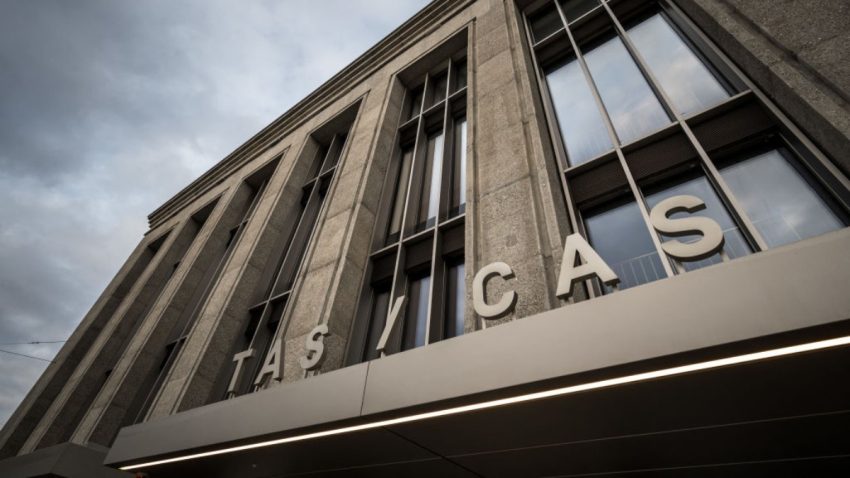
Headquartered in Lausanne, Switzerland, CAS is the world’s premier sports arbitration body. Its mission is to resolve disputes through procedures that are more agile than traditional judicial systems, including doping cases, contractual disputes, eligibility issues and disciplinary sanctions. Since 1984, the Court has acted as a specialised, impartial and independent alternative whose jurisdiction is based on the voluntary agreement of the parties through arbitration clauses.
In 2020, CAS officially recognised Spanish as one of its three working languages, alongside French and English. This inclusion was no coincidence: around 10 per cent of the more than 600 cases handled by the Court each year involve Spanish-speaking parties. It was therefore only a matter of time before the Tribunal extended its infrastructure to countries with strong linguistic ties to Spanish.