Tensions between referees and coaches in Serie A continue to rise, with Italian football now openly discussing major changes to the current VAR system and even the possible introduction of a Football Video Support style model.
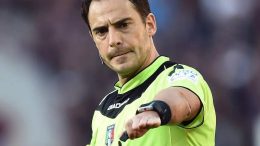
Refereeing designator Gianluca Rocchi had initially planned a meeting with Serie A coaches at the start of the season to address growing concerns over VAR and refereeing consistency. However, a congested calendar meant the meeting never took place. A new date is now expected to be scheduled for late March during the international break, offering a long-awaited opportunity for dialogue between match officials and technical staff.
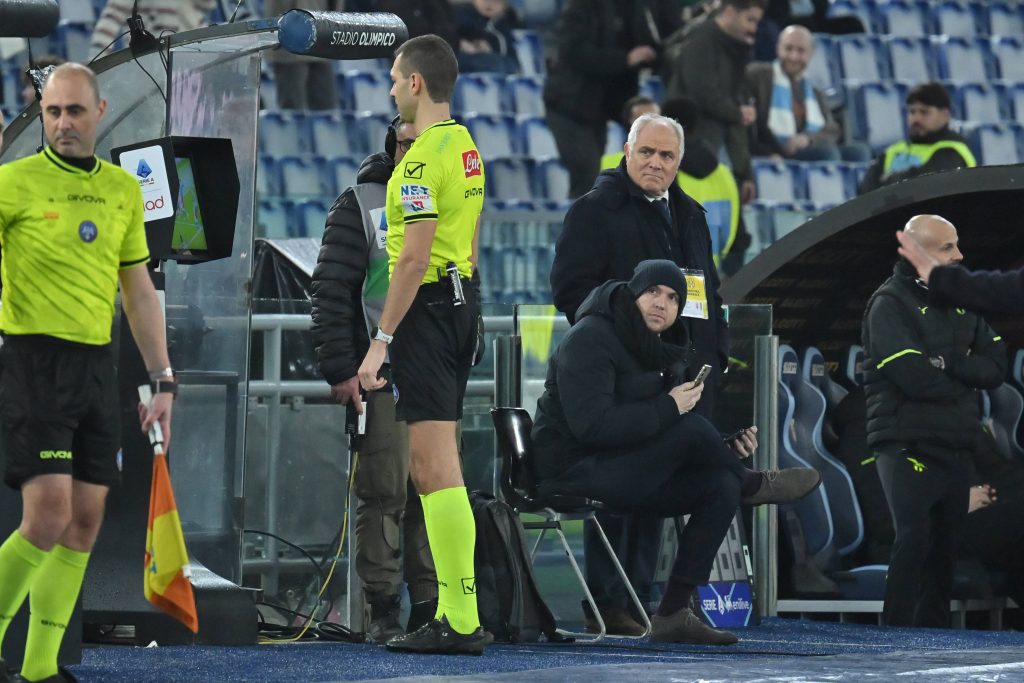
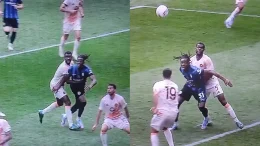
In recent weeks, friction has intensified following a series of controversial decisions. Coaches, including Daniele De Rossi, Gian Piero Gasperini and Luciano Spallett,i have publicly questioned the interpretation and consistency of VAR interventions. Disputed incidents, such as the penalty awarded to Napoli against Genoa, have reignited debate over whether the system is being used correctly and transparently.
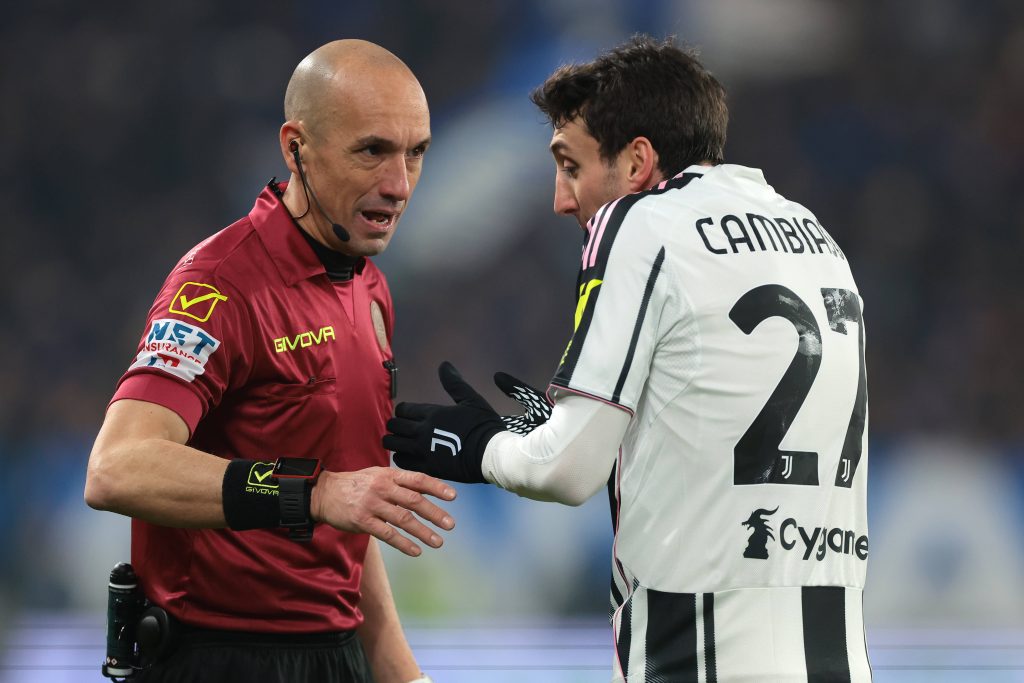
Beyond individual decisions, a broader structural conversation is now taking shape within Italian football. Many coaches and sporting directors are calling for clearer and more limited VAR interventions, stressing that the technology should only be used in cases of clear and obvious error to preserve the authority of the referee on the pitch.
A key demand concerns the length of reviews, with clubs insisting that time spent at pitchside monitors must be reduced to maintain match flow and credibility. Juventus and other clubs have also revived the long-standing discussion about the professionalisation of referees, although the Italian Referees Association has defended current standards while remaining open to future evolution.
More significantly, several Italian directors and coaches are now exploring the possibility of adopting a Football Video Support style model, already being tested in lower leagues and other competitions. This system differs from traditional VAR in that reviews can be initiated by coaches through a limited number of challenges, rather than constant remote monitoring from a video operations room.
Football Video Support has been trialled in Italy’s Serie C and other competitions, allowing coaches to request video reviews of key incidents such as penalties, red cards and goals. The aim is to make interventions more selective, faster and more transparent, while restoring greater responsibility to the on-field referee.
However, any move towards such a model in Serie A would require approval from football’s lawmakers. Changes to VAR protocol or the introduction of alternative video review systems must be discussed and authorised by the International Football Association Board and FIFA, who regulate the Laws of the Game and oversee global trials of technological innovations.
For Rocchi, the priority remains restoring dialogue and reducing tension between benches and officials. The anticipated meeting later this season could prove decisive in shaping the future of refereeing technology in Serie A, as Italian football searches for a balance between accuracy, authority and the flow of the game.