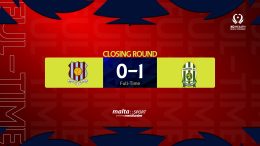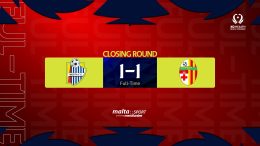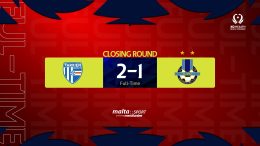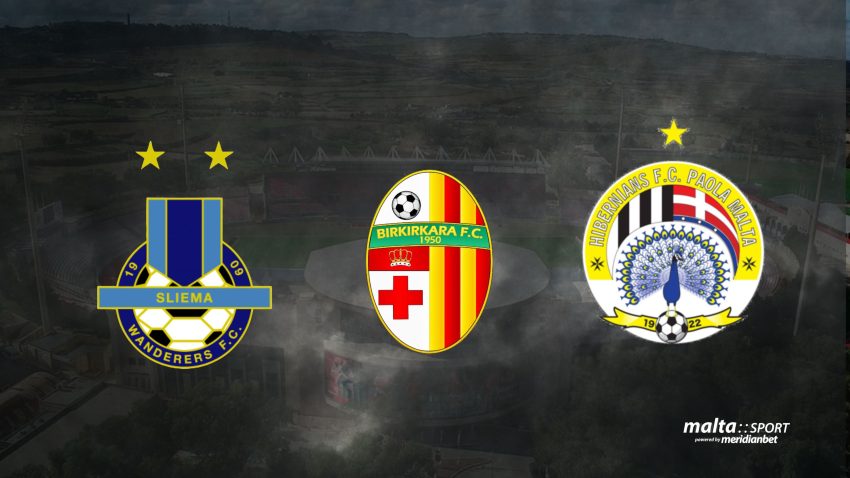
The curtain has come down on the domestic campaign for Hibernians, Birkirkara and Sliema Wanderers, three of Maltese football’s most established institutions. All three end the 2025 to 2026 season not with silverware or European ambitions, but with uncomfortable questions, internal instability and a growing sense that something deeper has gone wrong.
Sliema Wanderers’ campaign stands out as a case study in how early promise can quickly unravel. Entering the season, expectations were high. The acquisition of Roko Prsa from champions Ħamrun Spartans and Santos, widely known as Fernandinho, from Floriana was meant to signal intent. Combined with a strong Maltese core and the experience of coach Paul Zammit, Sliema were widely tipped to challenge at the top end of the table. Instead, the project fractured midway through the season. Zammit’s departure in January, reportedly due to a breakdown in harmony within the squad, exposed deeper issues behind the scenes. His exit did not trigger a revival. Under Pablo Doffo, the team failed to gain momentum, drifting into the Bottom 6 and ending the campaign far below expectations. Off the pitch, the resignation of former president Keith Perry added another layer of uncertainty to a club that now appears to be searching for direction as much as results.
Birkirkara’s decline followed a different path but led to a similar destination. Stefano De Angelis had already been in charge during the 2024 to 2025 season and guided the side through a relatively solid run, yet despite that continuity, he was dismissed early in the current campaign as results faltered. The decision triggered another period of instability. Former Inter defender Gianluca Festa was brought in as his replacement, but the change failed to produce consistency. By January, Birkirkara had parted ways with a second coach and turned once more to Paul Zammit, fresh from his Sliema exit. The constant reshuffling on the bench reflected a lack of long-term planning, and performances on the pitch mirrored that uncertainty. The Stripes’ season became a sequence of brief recoveries followed by setbacks, ultimately ending in the Bottom 6 with more questions than answers about recruitment, leadership and identity.

Hibernians, meanwhile, endured perhaps the most concerning trajectory of the three. For the first time in years, the Paolites spent both rounds entrenched in the Bottom 6, at times flirting dangerously with the possibility of relegation. Their season was marked by disruption and misfortune. A mid-season technical change saw Branko Nisevic replaced by former club captain Andrei Agius, a move that carried symbolic weight but delivered mixed results. Injuries played a significant role in destabilising the squad. Goalkeeper Brunescu missed a substantial portion of the campaign, while key attacking figures such as Jurgen Degabriele and Chikuniere suffered serious ACL injuries that removed them from contention for long stretches. Both returned late in the season, but by then the damage had largely been done. There were, however, isolated positives. The Super Cup triumph in February provided a brief highlight, and the late-season introduction of youth, notably 16-year-old Jayden Roe, hinted at a possible shift towards long-term rebuilding.
Across all three clubs, a pattern emerges. Strategic inconsistency, managerial turnover and questionable squad planning have undermined stability. Each club entered the season with a different vision, yet all ended it confronting similar structural weaknesses. The coming weeks are likely to be decisive. Will Sliema commit to a clear sporting project after months of disruption? Can Birkirkara establish continuity after cycling through multiple coaches in a single season? Will Hibernians double down on youth development or return to short-term fixes?
Equally pressing are the questions off the pitch. Investment strategies, recruitment models and even committee-level decisions are now under scrutiny. There is an increasing expectation among supporters that accountability must extend beyond the technical area. Whether that leads to internal reform or further instability remains to be seen.
What is certain is that the reputations of these three clubs demand a stronger response. The 2026 to 2027 season will not simply be another campaign. It will be a test of whether lessons have been learned or ignored.